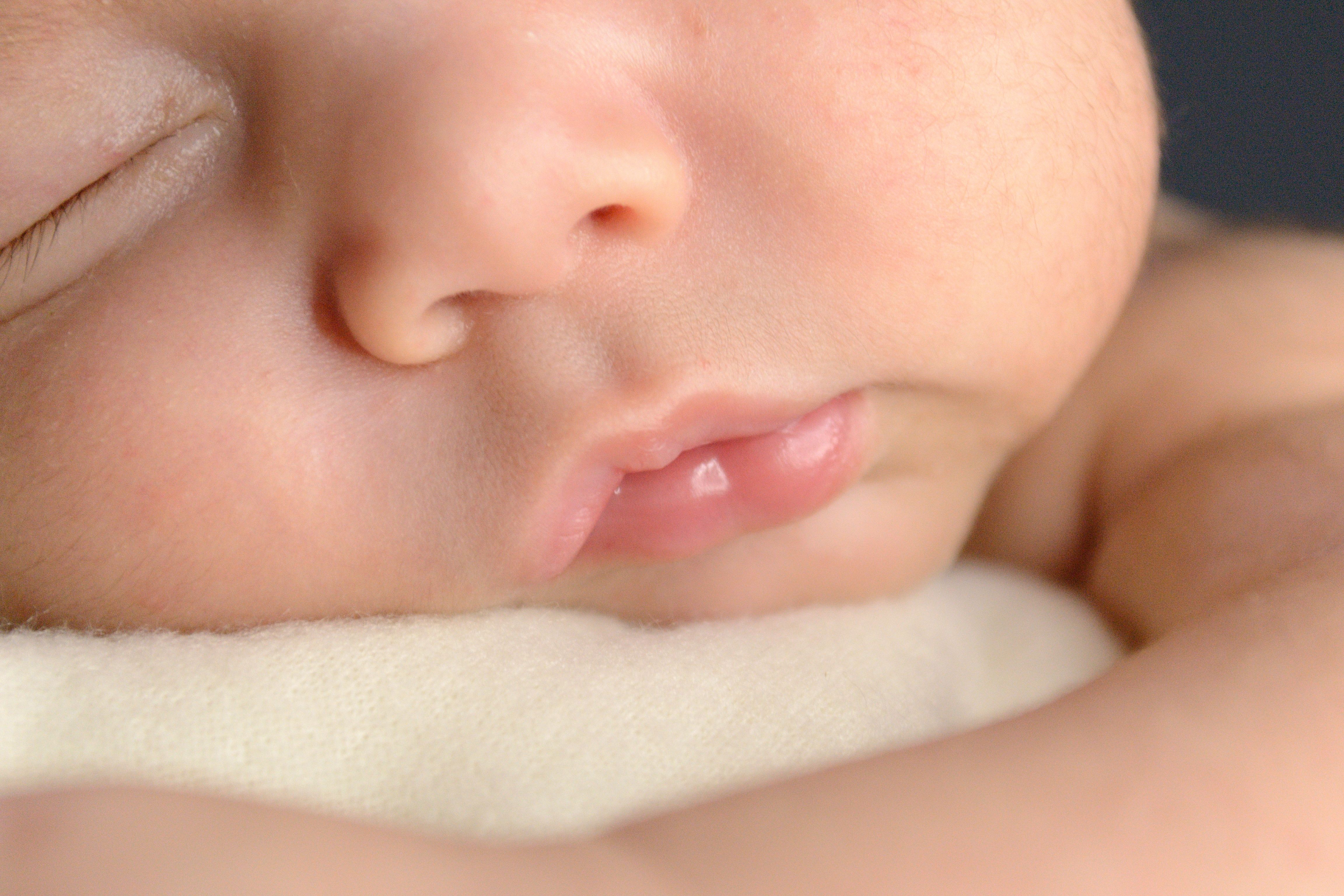
Cleft Lip and Palate: Speech Therapy, Communication and Feeding Support
Cleft Lip and Palate: Speech Therapy, Communication and Feeding Support
Understanding cleft lip and palate, speech development, articulation, resonance, hearing, feeding, and the role of speech-language therapy
Cleft lip and palate are congenital conditions involving differences in the development of the lip, alveolus, hard palate, and/or soft palate. The type and severity of the cleft can vary considerably from one individual to another.
In addition to surgical and dental care, some children may require support for speech, language, hearing, resonance, articulation, feeding, or swallowing .
How Can Cleft Lip and Palate Affect Speech?
Children with cleft palate may experience:
-
Reduced speech intelligibility
-
Difficulty producing certain consonants
-
Compensatory speech sound errors
-
Hypernasal speech
-
Nasal air emission
-
Reduced oral airflow or pressure for speech sounds
-
Restricted consonant development
-
Delayed babbling or early speech development
-
Delayed expressive language in some children
-
Voice or resonance differences
Not every child with a cleft will experience all of these difficulties.
What Is Velopharyngeal Dysfunction?
The velopharyngeal mechanism helps separate the mouth and nose during speech.
When this mechanism does not function adequately, a person may experience velopharyngeal dysfunction (VPD) , which can contribute to:
-
Hypernasality
-
Nasal air emission
-
Weak oral pressure consonants
-
Reduced speech clarity
VPD can have structural, physiological, or learned speech-related causes. Identifying the underlying cause is important because not every speech or resonance problem can be corrected through speech therapy alone .
Articulation Errors in Cleft Palate
Speech errors associated with cleft palate can be broadly considered in different ways.
Structural or Obligatory Errors
Some speech distortions occur because of structural differences such as velopharyngeal insufficiency, fistulas, dental differences, or malocclusion.
These may require medical, surgical, orthodontic, or prosthetic management rather than speech therapy alone.
Compensatory Errors
Some children develop learned speech patterns to compensate for difficulty generating or directing oral airflow.
These errors can often be addressed through specialized speech therapy targeting appropriate sound placement and oral airflow.
This distinction is important when planning treatment.
How Can Speech Therapy Help?
An SLP may support:
Speech Sound Development
Teaching appropriate placement and production of speech sounds when errors are amenable to behavioral intervention.
Speech Intelligibility
Improving the clarity and consistency of speech.
Resonance and Airflow
Monitoring speech resonance and identifying patterns that may require further assessment by the cleft/craniofacial team.
Language Development
Supporting vocabulary, sentence formation, comprehension, storytelling, and expressive language when needed.
Early Communication
Encouraging vocal play, sound development, early words, and communication skills during infancy and early childhood.
Feeding and Swallowing
Some children may require assessment and support for feeding or swallowing difficulties, particularly when other structural or neurological concerns are present.
Why Is a Multidisciplinary Team Important?
Children with cleft lip and palate may benefit from coordinated care involving professionals such as:
-
Cleft/craniofacial surgeons
-
Speech-language pathologists
-
Audiologists
-
Orthodontists and dentists
-
Pediatricians
-
Feeding and swallowing specialists
-
Other healthcare professionals as required
Collaboration helps determine whether a difficulty is related to structure, function, speech learning, language development, hearing, or another factor .
Supporting Communication at Home
Parents can encourage communication by:
-
Talking and playing with the child regularly
-
Encouraging vocal play and sound imitation
-
Reading and singing together
-
Modeling words naturally
-
Expanding the child’s attempts to communicate
-
Avoiding reinforcement of compensatory speech patterns
-
Giving the child time to communicate
-
Following recommendations from the cleft/craniofacial team
Early parent involvement can support speech and language development and improve opportunities for communication in everyday routines.
Cleft Lip and Palate Speech Therapy at iSpeak Total Communication Clinics
At iSpeak Total Communication Clinics , therapy is individualized according to the child’s speech, language, resonance, feeding, and communication needs.
Intervention may focus on speech sound production, articulation, speech clarity, language development, early communication, and functional communication , while coordinating with the child’s medical or craniofacial team when required.
Our goal is to help children develop clear, functional, and confident communication while ensuring that structural and medical factors are appropriately considered.
Frequently Asked Questions
Does every child with cleft palate need speech therapy?
No. Some children develop age-appropriate speech without significant difficulties, while others may require specialized speech and language support.
Will surgery fix speech problems caused by cleft palate?
Surgery can address structural problems, but some learned compensatory speech errors may continue after structural repair and may require speech therapy.
What is hypernasality?
Hypernasality is a resonance difference in which speech sounds overly nasal, often associated with difficulty achieving adequate separation between the oral and nasal cavities during speech.
Can cleft palate affect language development?
Some children may experience delays in early speech and language development. Hearing status, cleft characteristics, and associated conditions can influence development.
Can children with cleft palate have feeding difficulties?
Yes. Some children may experience feeding or swallowing difficulties and may benefit from specialized assessment and support.
When should my child see an SLP?
Speech-language assessment may be appropriate when there are concerns about speech clarity, resonance, articulation, language development, feeding, swallowing, or communication.
References
American Speech-Language-Hearing Association (ASHA). Cleft Lip and Palate – Practice Portal.
ASHA Practce Portal – Clef Lip and Palate
Recommended citation:
American Speech-Language-Hearing Association. (n.d.). Cleft lip and palate [Practice portal]. ASHA.
Copyright note: This article is original educational content prepared for iSpeak Total Communication Clinics . It does not reproduce ASHA’s copyrighted text, tables, graphics, or proprietary content. ASHA is credited as the clinical reference and linked to the original resource.
Disclaimer: This article is for general educational purposes and does not replace an individualized assessment, diagnosis, or treatment plan from a qualified healthcare or speech-language professional.